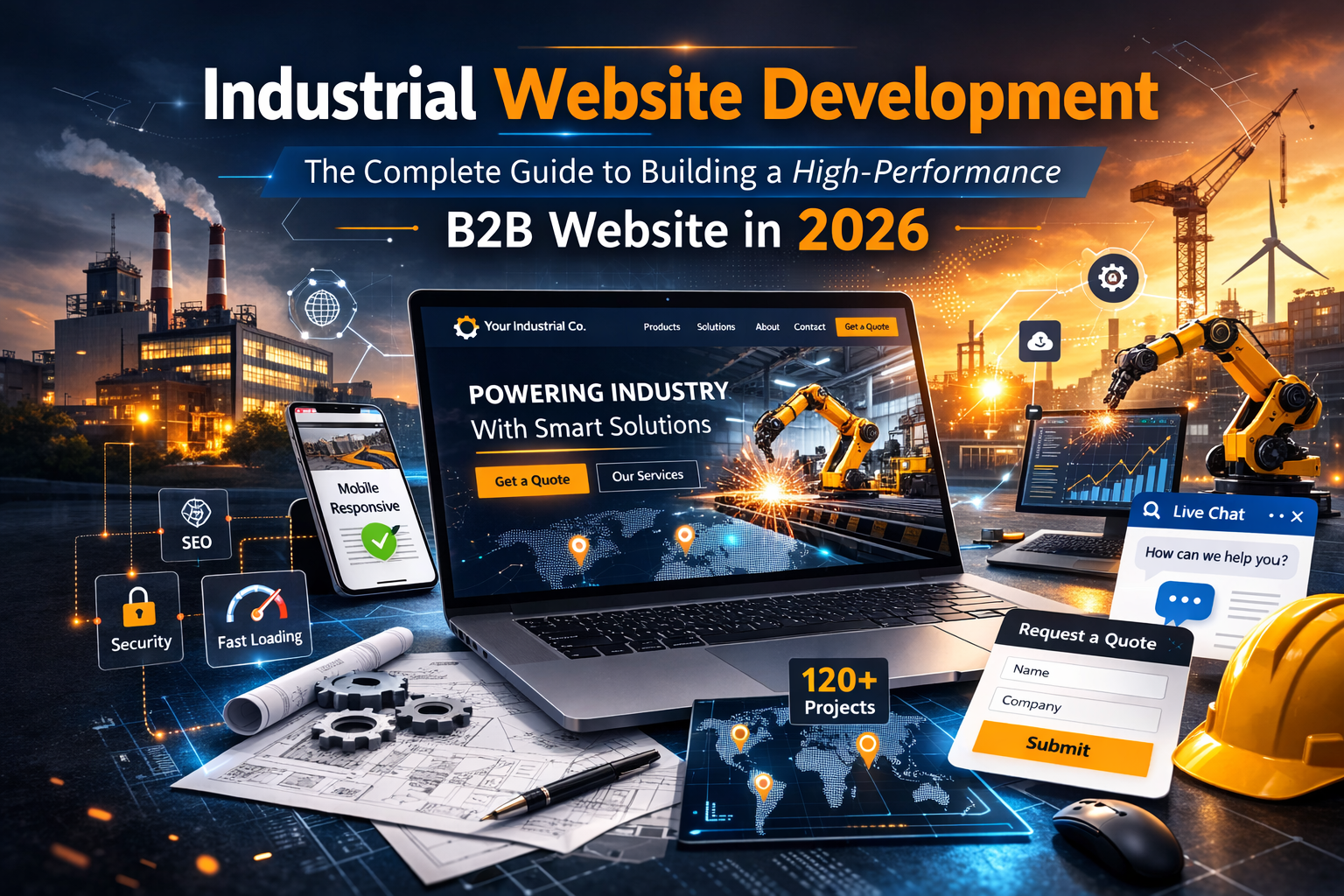
Industrial Website Development: The Complete Guide to Building a High-Performance B2B Website in 2026
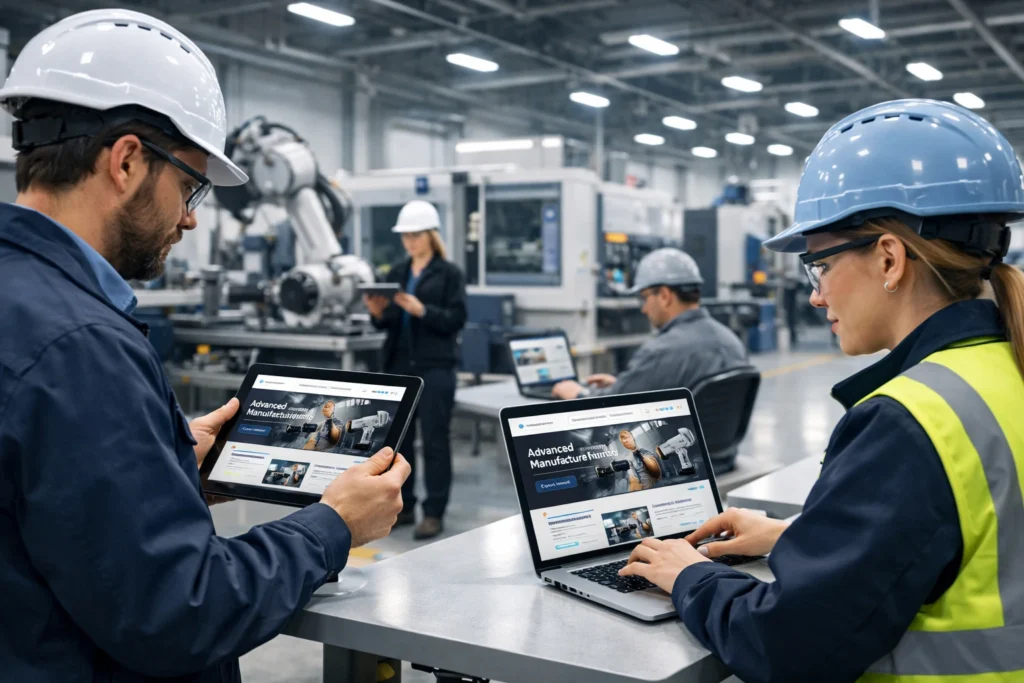
If you run a manufacturing company, an OEM, or a B2B industrial supplier, your website is doing a lot more than just sitting there looking good. Think of it as your best salesperson — one that works 24/7, answers buyer questions, shows off your products, and sends good leads straight into your CRM. But the sad truth is, so many industrial businesses are still running on old, slow, and messy websites that are losing them real money every single day.
In this guide, we are going to walk through everything you need to know about industrial website development — what it actually is, why it matters so much, what your site must have, and how to find the right team to build it for you.
What Is Industrial Website Development?
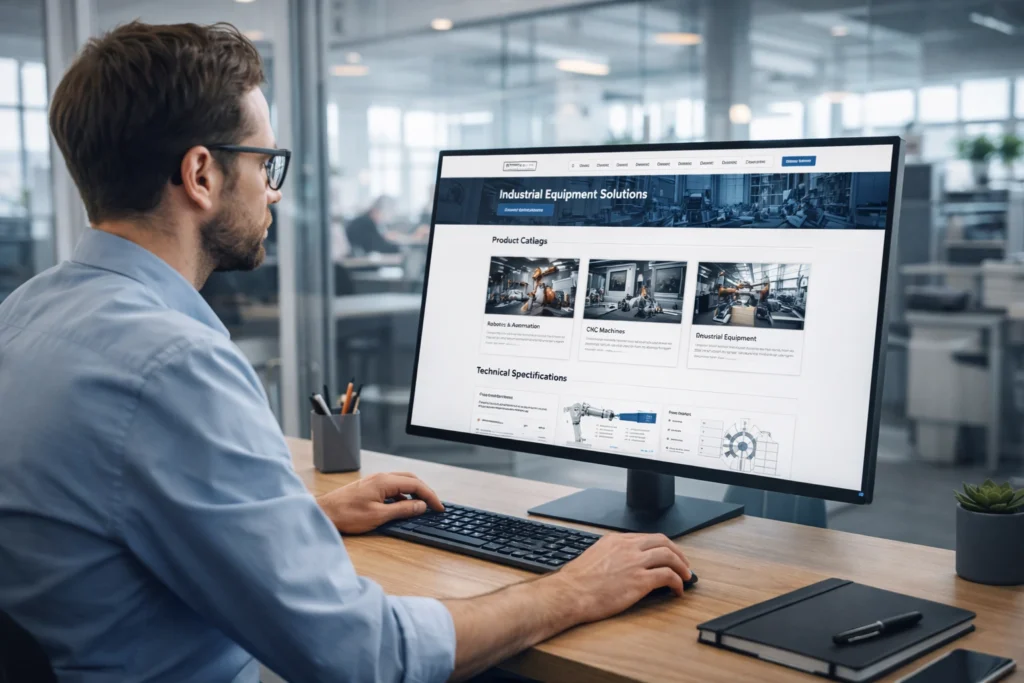
Industrial website design and development is simply the process of building and taking care of websites that are made specifically for industrial companies — things like manufacturers, fabricators, heavy machinery suppliers, engineering firms, logistics companies, and B2B suppliers who have large product lines and technical buyers.
It is very different from building a regular business website. It goes a lot deeper. We are talking about custom backend work to handle thousands of products, connecting your website to your internal business systems like Salesforce, HubSpot, or Oracle, building smart product search and filter tools for technical buyers, and making sure the whole setup can grow as your business grows.
The industrial buyer is not your average online shopper. These are engineers, procurement managers, and operations leads who need product specs, certifications, compliance data, and part numbers — and they need them fast. Your website has to serve these people really well.
Why Your Industrial Business Needs a Website Built Just for You
Let us be real here — a lot of industrial companies in the US and around the world are still running websites that were built back in 2012. Old navigation, no mobile support, zero SEO setup, and product pages with almost no useful information. That is a huge problem in today’s market.
Here is why putting money into a proper industrial website is no longer something you can skip:
Your Buyers Do Their Research Online First

Studies keep showing that B2B buyers finish more than 70% of their research before they ever pick up the phone to talk to a salesperson. If your website does not show up in search results, or if it loads slowly and looks broken on a phone, those buyers are just going to your competitor instead. A well-built, search-optimized industrial website makes sure you show up when it counts the most.
Complicated Businesses Need Custom Solutions
Industrial businesses deal with all kinds of tricky stuff — multi-level product setups, custom quoting steps, dealer networks, and compliance rules. A basic website template just cannot handle all of that. You need custom backend development, proper database setup, and tools built specifically for your real business needs.
Connecting to Your Internal Systems Is a Must
Your website cannot work on its own. It needs to connect with your ERP system, your CRM platform, and your inventory tools. When these things are properly connected, leads go to the right people, your product data stays current, and your team always has what they need to move fast.
Key Features Every Strong Industrial Website Should Have
Not all websites are built the same. A solid industrial website has specific features that help both the buyer and the business. Here is what you should be looking for:
A Smart Product Catalog with Search and Filters
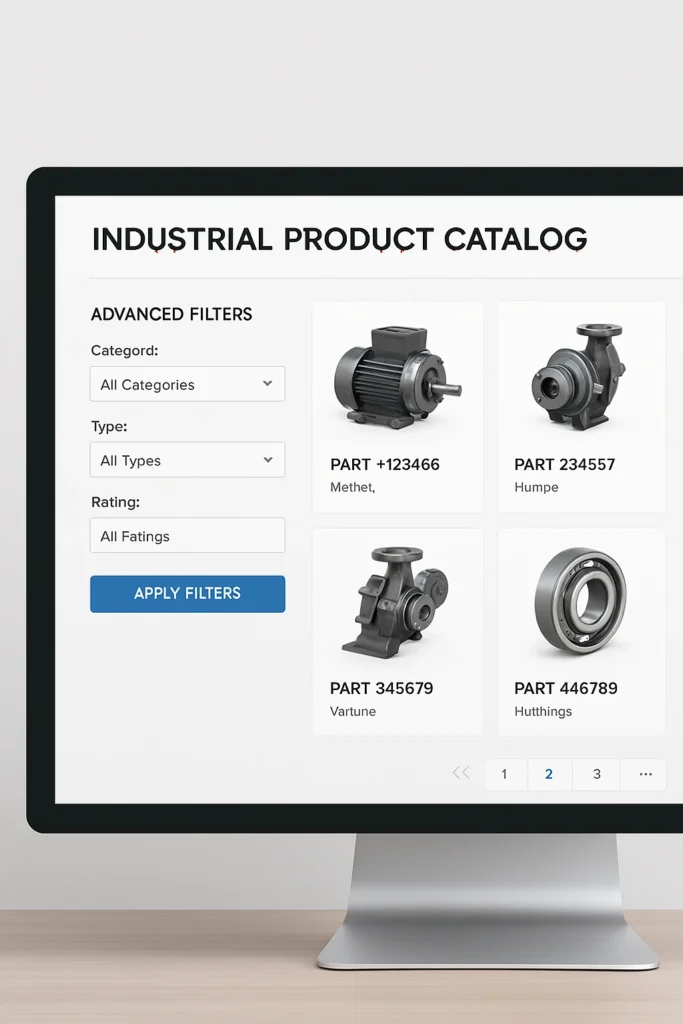
Industrial buyers do not just browse around — they come in with a specific goal. Your product catalog needs good filters, part number search tools, and easy navigation so buyers can find exactly what they need in just a few seconds. A well-built product catalog is one of the biggest reasons people actually convert on an industrial website.
A Quote Request Tool
For industrial companies that sell custom or made-to-order products, having a solid Request for Quote form or a product setup tool is really important. These tools make the sales process smoother, cut down on back-and-forth emails, and give your sales team everything they need to close deals faster. Smart routing makes sure each inquiry goes straight to the right person on your team.
Works Well on Mobile and Loads Fast
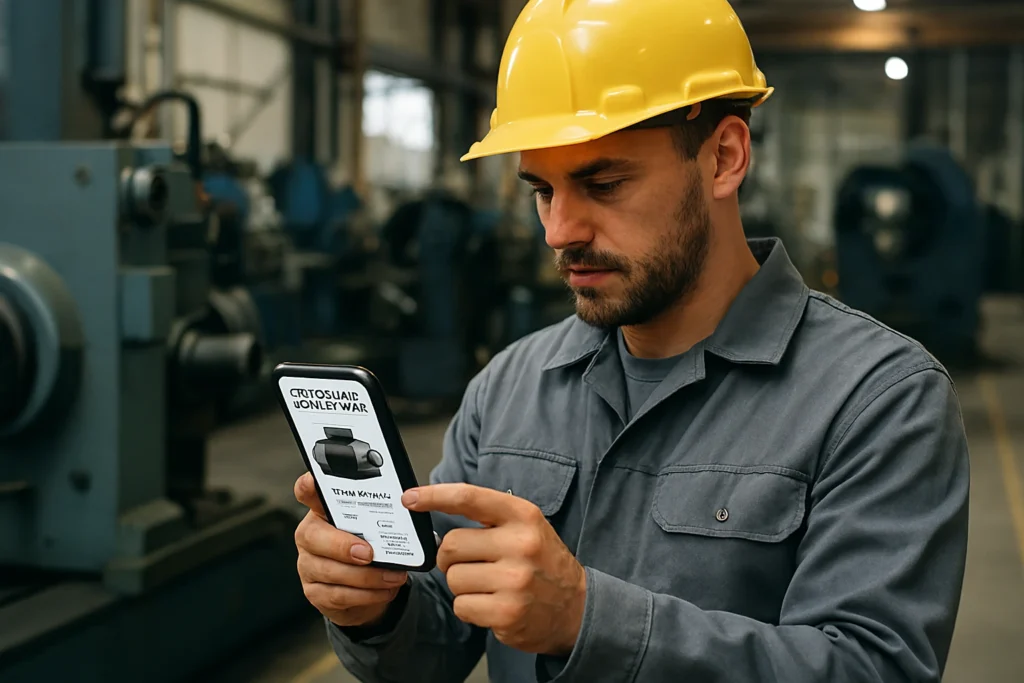
Did you know that 83% of people expect a website to load in three seconds or less? In the industrial world, buyers might be checking product specs from a tablet on the factory floor or a phone while traveling. Your site needs to work perfectly on all devices and load quickly. Page speed is not just about user experience — Google uses it as a ranking factor too.
SEO Built In from Day One
SEO should never be something you add later. The best industrial web development teams build search optimization into the website from the very beginning. This means clean code, proper page structure, fast loading, product markup that Google can read, and page content that matches how your buyers actually search. A site built without SEO will struggle to rank no matter how much content you add later.
Accessibility for All Users
Your website should be usable by people with visual or hearing challenges. This is not just the right thing to do — it is also a legal requirement in many cases. Making your site accessible also protects your business from legal issues and opens up your website to more people overall.
A Secure Website with SSL
Industrial buyers — especially in aerospace, defense, chemicals, and manufacturing — will not send sensitive project details through a website that does not feel safe. A proper SSL certificate, secure contact forms, and clean, well-optimized code for uptime and security are things every serious industrial website must have.
Live Chat Support
Adding a live chat feature gives potential buyers a quick and easy way to reach your team without having to make a call or send an email. This is really helpful for companies with complex products where buyers often have technical questions. Quick answers help move people from just looking to actually buying, much faster.
Why ERP and CRM Connection Matters So Much
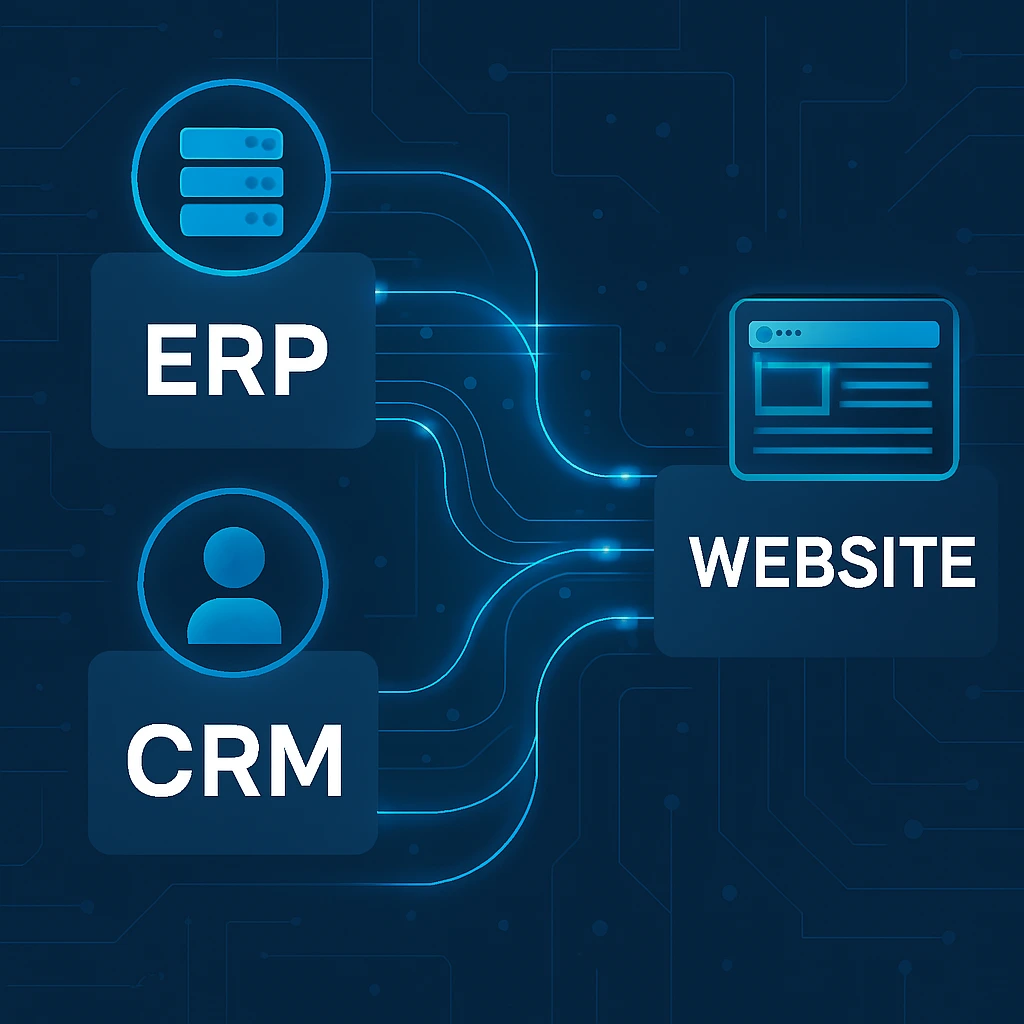
One of the biggest things that separates a basic website from a truly powerful industrial web platform is how well it connects to your other business tools. When your website talks to your internal systems, everything runs more smoothly.
ERP connection means your product data, stock levels, and pricing are always up to date on your website without anyone having to go in and update things manually. CRM connection with tools like Salesforce or HubSpot means every form submission, chat message, or quote request is automatically saved, sorted, and assigned to the right person — no manual data entry, faster response times.
For industrial businesses managing thousands of products, handling custom orders, or working with dealer networks across different regions, this kind of connection is not a nice-to-have — it is what puts you ahead of the competition.
SEO and Location-Based Optimization for Industrial Websites
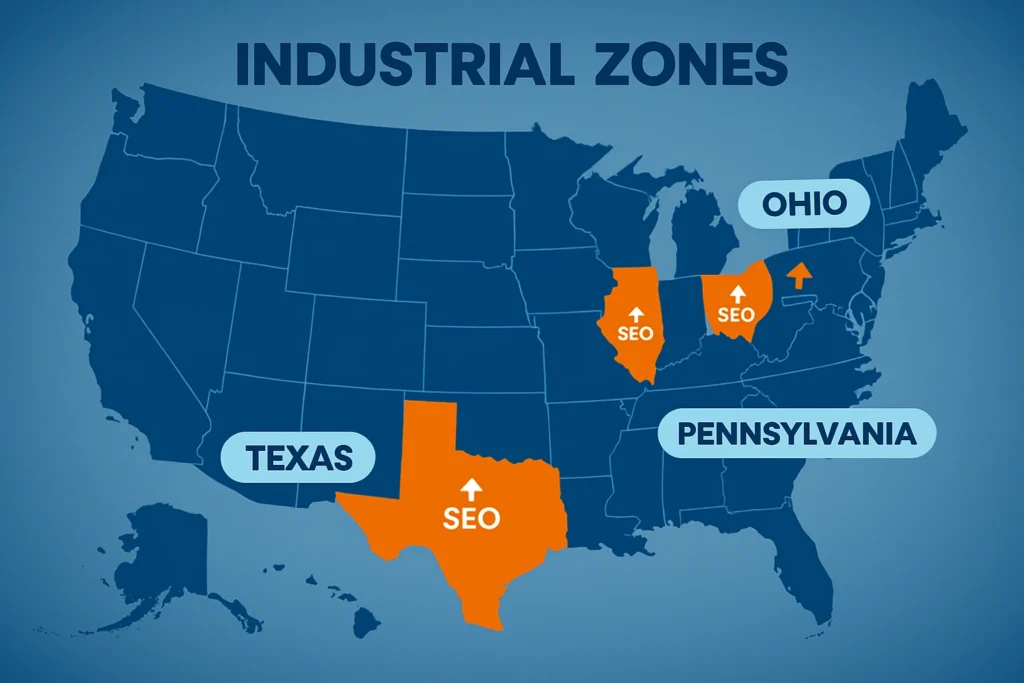
Getting your site to rank on Google for industrial search terms is not easy. But the businesses that do it right get a steady flow of good leads coming in for free. Here is how SEO and location targeting work together for industrial companies:
Matching What Your Buyers Actually Search For
Industrial buyers use very specific language when they search. They type in part numbers, material details, industry certifications, and very specific application terms. Your SEO strategy needs to match these search habits. Building product pages, service pages, and helpful resource content around the exact words your buyers use is what brings the right traffic to your site.
Local and Regional SEO for Manufacturers
Targeting specific locations is really powerful for industrial manufacturers and suppliers. If you serve certain areas — like the Midwest manufacturing region, the Gulf Coast chemical corridor, or industrial areas in Texas, Ohio, or Pennsylvania — your website should be set up to rank for searches in those specific places. This means building location-specific pages, writing content that speaks to those local areas, and keeping your Google Business Profile updated with your service regions.
Content That Shows You Know Your Stuff
Publishing helpful documents, technical guides, real customer stories, and industry updates shows people that your company really knows what it is doing. This kind of content also earns links from other websites and attracts buyers who are still in the research phase. A good content plan builds up over time, makes your website more trusted by Google, and means you do not have to rely as much on paid ads.
How to Pick the Right Industrial Website Development Partner
This is where a lot of industrial businesses make a really expensive mistake. They hire a general web agency that has never worked with industrial companies, and six months later they have a nice-looking website that brings in zero real leads.
When you are looking at industrial web development companies, here is what actually matters:
- Real experience working with industrial, manufacturing, or B2B businesses specifically
- Ability to handle ERP connection, CRM connection, and custom backend development
- A clear step-by-step process covering planning, design, building, connecting systems, and ongoing support
- SEO work built into the development process — not added on at the end
- Past work that includes product catalog sites, quote request tools, and part search systems
- Support and maintenance plans after the site goes live so it keeps running well
Do not be shy about asking agencies to show you real results from industrial clients. Numbers like traffic growth, leads generated, and revenue increases tell you a lot more than a pretty portfolio.
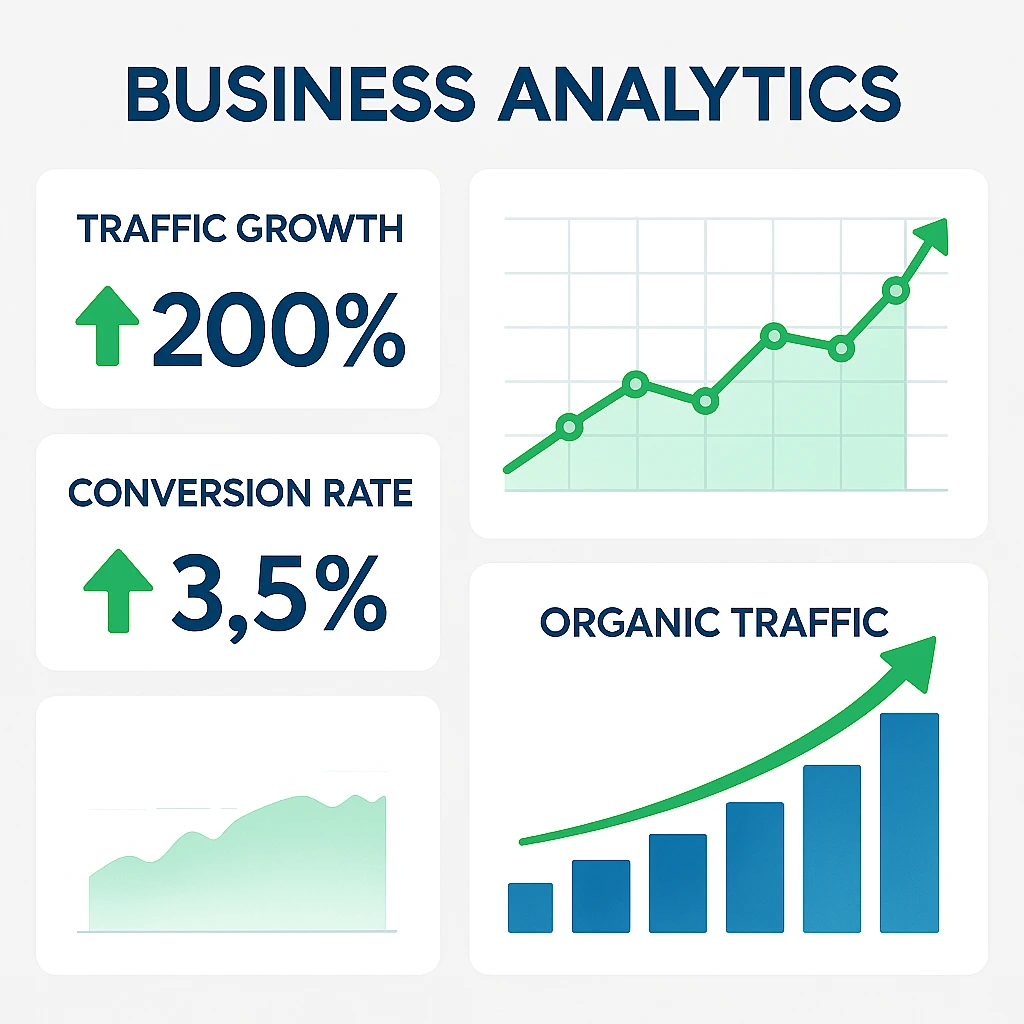
Real Results: What a Good Industrial Website Can Actually Do
If you are still on the fence about whether a purpose-built industrial website is worth it, just look at what other companies in your space have already done:
A fastener company serving the aerospace and military industries rebuilt their product pages around the exact terms their buyers search for and saw over 200% more organic traffic and a 155% jump in conversions in just six months. A fabrication supplier in the petrochemical space rebuilt their site with proper SEO content and targeted service pages and got 158% more organic traffic plus over 400% more conversions in just 90 days — enough growth to expand their physical facility.
These are not rare lucky cases. This is what happens when industrial website development is done the right way — with the right setup, content plan, and technical work behind it.
Choosing the Right Platform for Your Industrial Website
When it comes to picking the right platform, WordPress is still one of the most popular and flexible choices out there. It lets your marketing team add new products, post news, publish job openings, or update content without needing a developer for every little change.
That said, your platform choice should always match your actual technical needs. Some industrial businesses with very complex system connections or huge product databases do better with fully custom-built solutions or more modern headless setups. A good development partner will help you figure out the right choice based on where your business is headed — not just what is easiest for them to build.
or contact us at hello@zyvex.co or visit our website zyvex.co for further discussion related to your business

Final Thoughts: Your Website Is One of Your Most Important Business Tools
Industrial website development is not just an IT project you check off a list. It is a real business investment that, when done right, brings in good leads, supports your sales team, connects with your internal operations, and builds your reputation in a tough market.
Whether you are a manufacturer who needs to update an old site, an OEM building out a big product catalog, or a B2B supplier trying to grow into new regions, the idea is always the same — build for performance, set it up for search, connect it to your systems, and design it with your buyer in mind.
If your current website is not pulling its weight, it is time to do something about it. Start by getting a free website review from an experienced industrial web development team — and build the digital foundation your business actually deserves.
“Written by Zyvex – Industrial Web Development & SEO Experts helping manufacturers across the USA scale digitally.”
Frequently Asked Questions (FAQs)
1. What is Industrial Website Development?
Industrial website development is the process of designing and building websites specifically for manufacturers, OEMs, engineering firms, heavy equipment suppliers, and B2B industrial companies.
Unlike regular business websites, industrial websites are built to handle:
- Large product catalogs with technical specifications
- Part number search systems
- Request for Quote (RFQ) tools
- ERP and CRM integrations
- Compliance documentation and certifications
- Multi-location or dealer networks
The goal is not just design — it is performance, lead generation, system integration, and long-term scalability. A properly built industrial website becomes a 24/7 sales engine for B2B companies.
2. How Much Does an Industrial Website Cost?
The cost of industrial website development depends on complexity, features, and integrations.
Here is a general breakdown:
Basic industrial website (10–20 pages, no integrations):
👉 $5,000 – $12,000
Mid-level website (product catalog, RFQ system, SEO setup):
👉 $12,000 – $30,000
Advanced industrial platform (ERP integration, CRM sync, custom backend, large catalog):
👉 $30,000 – $100,000+
Factors that affect pricing:
- Number of products
- Custom quoting tools
- ERP/CRM integration
- SEO strategy
- Content creation
- Ongoing maintenance
For serious manufacturers targeting US markets, most high-performing industrial websites fall between $15,000 and $50,000.
3. Why Do Manufacturers Need ERP Integration?
ERP integration connects your website directly to your internal business system.
Popular ERP systems include:
- Oracle
- SAP
- NetSuite
When your website is integrated with your ERP system:
- Product data updates automatically
- Pricing stays accurate
- Inventory levels sync in real-time
- Manual data entry is eliminated
- Sales teams respond faster
For manufacturers managing thousands of SKUs, ERP integration reduces errors, saves time, and improves operational efficiency. Without integration, teams often waste hours updating product information manually.
4. What Platform Is Best for Industrial Websites?
The best platform depends on your business size and technical needs.
Most industrial companies use:
WordPress – Flexible, SEO-friendly, great for content-heavy B2B websites
Shopify Plus – Good for industrial eCommerce with standard products
Custom-built platforms – Best for complex ERP integrations and large product databases
Headless CMS solutions – Ideal for high scalability and advanced performance
For most manufacturers, WordPress combined with custom backend development offers the best balance of flexibility, SEO control, and cost efficiency.
However, companies with complex supply chains or multi-region distribution often require fully custom solutions.
5. How Long Does Industrial Web Development Take?
Industrial website development usually takes between 8 to 20 weeks depending on complexity.
Typical timeline:
Planning & strategy: 2–4 weeks
Design phase: 2–3 weeks
Development phase: 4–10 weeks
Testing & integration: 2–4 weeks
Large projects with ERP integration and custom functionality can take 4–6 months.
The timeline depends on:
- Number of products
- Integration complexity
- Content availability
- Approval speed
- Custom features required
A rushed industrial website often leads to technical problems later. Proper planning ensures better SEO performance and long-term scalability.